Tracing How Live Dealer Innovations Are Reshaping Table Game Accessibility on Smartphone Platforms
Iris Long · Aug 21, 2026
Tracing How Live Dealer Innovations Are Reshaping Table Game Accessibility on Smartphone Platforms
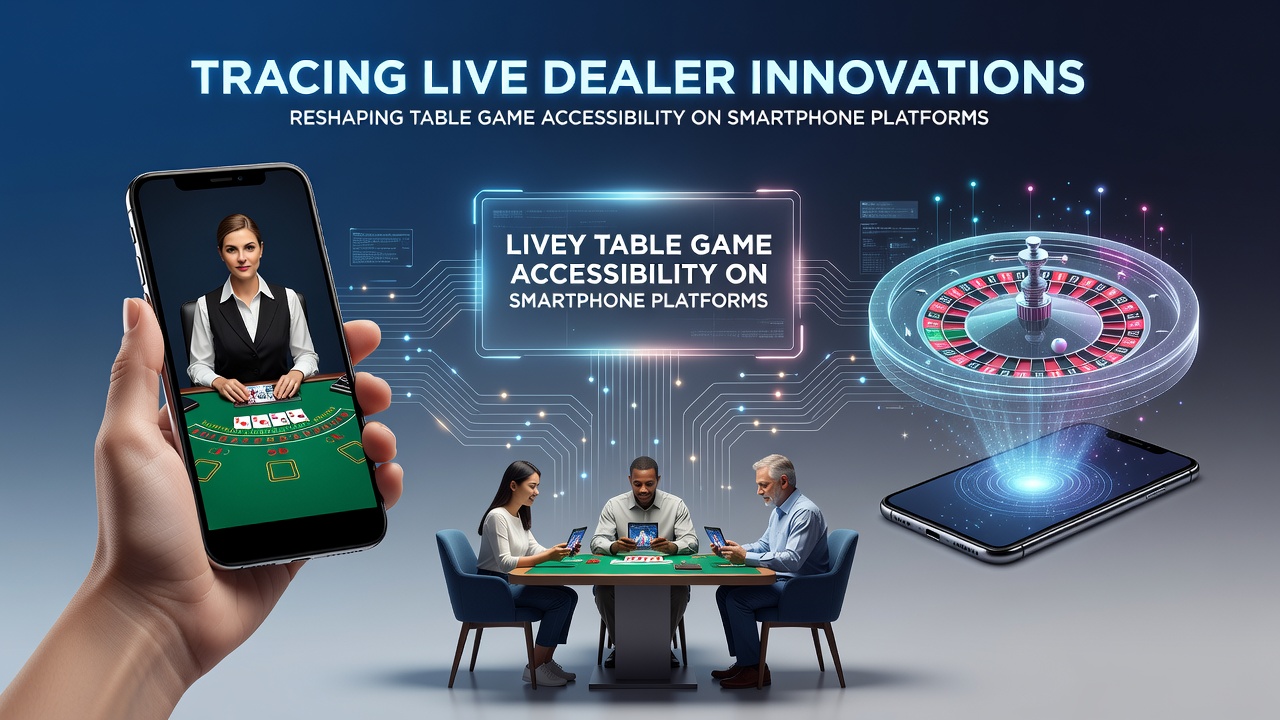
Live dealer table games have expanded onto smartphone platforms through a series of technical upgrades that address streaming quality, device compatibility, and user interface design. These changes connect real-time video feeds from physical studios to mobile applications, allowing players to join blackjack, roulette, and baccarat sessions without desktop computers. Data from industry monitoring services show participation rates in mobile live dealer formats rose steadily between 2023 and 2025, driven by improved network infrastructure and hardware capabilities in consumer devices.
Core Technical Developments Enabling Mobile Access
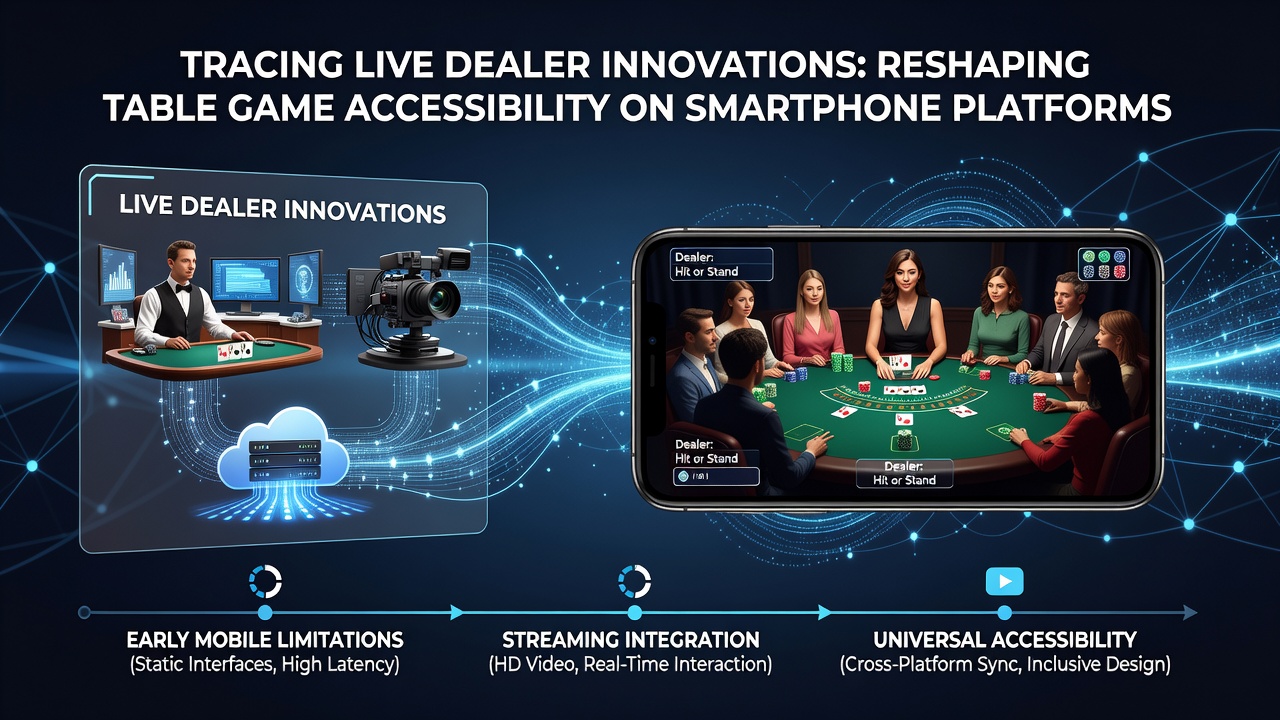
Streaming protocols have shifted toward adaptive bitrate technology that adjusts video quality based on available bandwidth, reducing interruptions during peak usage periods. Multiple camera angles now transmit simultaneously, giving smartphone users the option to switch views while maintaining a stable connection. Software developers integrated HTML5 frameworks that support both iOS and Android operating systems, eliminating the need for separate native apps in many cases. These adjustments shortened average loading times from several seconds to under two seconds on 5G networks, according to performance benchmarks published by equipment suppliers.
Touchscreen controls replaced mouse-based interactions, with gesture recognition allowing bets to be placed through taps and swipes that register within milliseconds. Portrait orientation support became standard after 2024, matching the way most users hold their phones during short sessions. Background processing features keep games active when users switch to other applications, resuming the session without requiring a full reconnection. Observers note that these refinements lowered the technical barriers that previously limited live dealer play to stationary setups.
Accessibility Features Introduced in Recent Updates
Platform operators added customizable interfaces that accommodate different screen sizes and accessibility settings, including options for larger betting buttons and high-contrast displays. Real-time subtitles and audio descriptions became available in select titles following regulatory guidance issued in multiple jurisdictions. Integration with device-level features such as screen readers and voice commands expanded participation for users with visual or motor impairments. Research compiled by academic groups tracking digital inclusion indicates these additions aligned mobile live dealer offerings with broader web accessibility standards adopted by other entertainment sectors.
Payment processing streamlined through digital wallets and instant verification systems that complete transactions on mobile browsers without redirecting users to external sites. Session timers and responsible gaming prompts appear as native overlays rather than pop-ups that disrupt gameplay flow. In August 2026, several major providers rolled out cross-device synchronization that lets players start a hand on a phone and continue it on a tablet if desired, preserving game state across sessions.
Geographic and Regulatory Influences on Adoption
Regulatory frameworks in North America and parts of Europe shaped how quickly these innovations reached consumers. The Nevada Gaming Control Board published quarterly reports documenting mobile live dealer traffic growth, attributing part of the increase to standardized testing protocols for fairness and connectivity. In Australia, state-level oversight bodies required explicit disclosure of latency statistics before approving new titles, prompting developers to refine compression algorithms. Canadian provincial regulators followed similar paths, requiring independent audits that verified both game integrity and data security measures used in smartphone transmissions.
Industry associations such as the European Gaming and Betting Association compiled comparative studies showing that regions with clear mobile-specific guidelines experienced faster rollout of enhanced live dealer features. These reports highlighted how consistent rules around video quality and player verification reduced development friction for operators serving multiple markets. Data released by these groups in mid-2025 showed that smartphone sessions accounted for over 60 percent of total live dealer activity in regulated European markets during the preceding year.
Impact on Player Engagement Patterns
Usage analytics reveal that average session durations on smartphones increased as connection reliability improved, with many users completing multiple rounds during commutes or brief breaks. Multi-table functionality allowed simultaneous participation in separate games through split-screen or tabbed views, a capability previously limited to desktop environments. Chat integration with dealers and other participants now functions through compact overlays that do not obscure core game elements on smaller displays. Figures from platform operators indicate repeat participation rates climbed when these social features received mobile optimization.
One documented case involved a European operator that introduced augmented reality overlays for roulette in late 2025, projecting virtual chips onto the physical wheel via phone cameras. Early adoption metrics released by the company showed a measurable uptick in first-time users who cited the novelty as an entry point. Similar experiments with virtual reality headsets linked to live feeds remain in testing phases, though hardware costs continue to limit widespread testing.
Conclusion
Live dealer innovations continue to alter how table games reach smartphone users by addressing technical constraints and incorporating regulatory requirements across regions. Continued refinement of streaming efficiency, interface design, and cross-device continuity supports broader access without compromising the real-time elements that define these formats. Monitoring by government agencies and research organizations provides ongoing data on adoption trends, offering measurable indicators of how these changes unfold through 2026 and beyond.