Inside the Algorithms: How Random Number Generators Shape Free Spin Outcomes at Payout-Focused Digital Venues
Iris Long · Nov 15, 2026
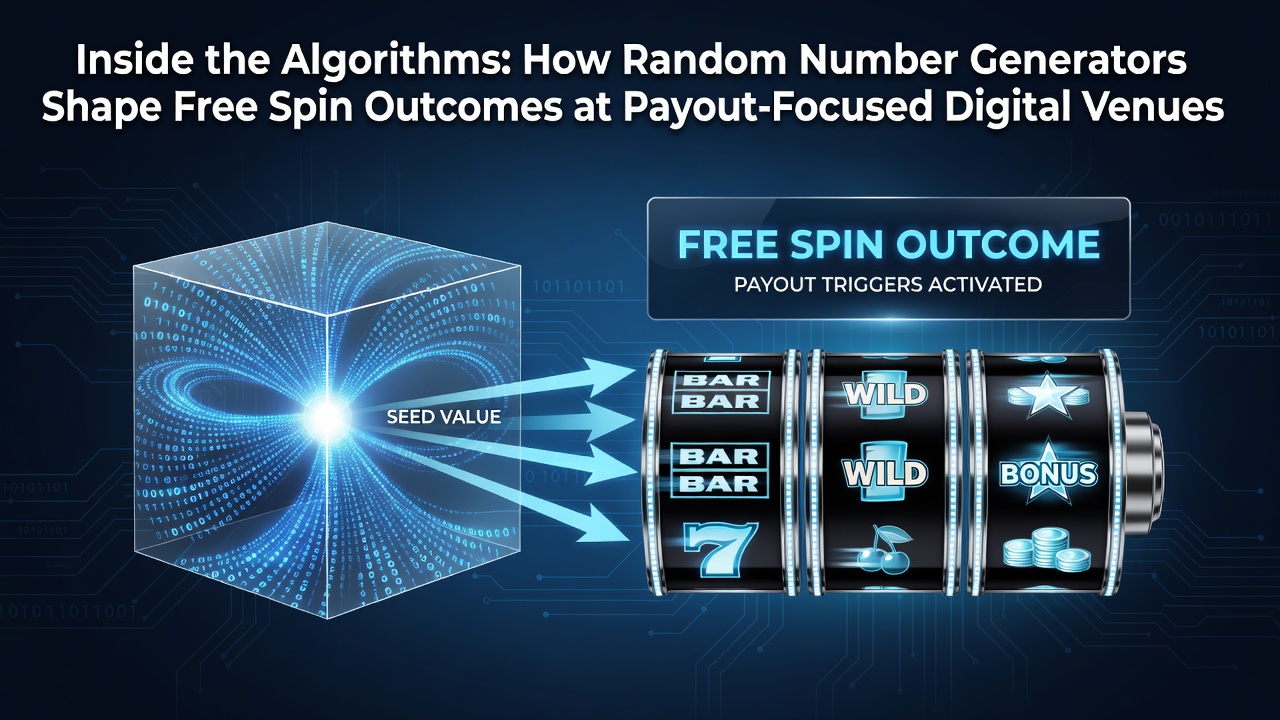
Inside the Algorithms: How Random Number Generators Shape Free Spin Outcomes at Payout-Focused Digital Venues
Random number generators sit at the core of every digital slot machine and they determine free spin results through continuous sequences of algorithmic outputs that remain independent from previous spins or player actions. These systems produce billions of numbers per second even when no one plays and they translate those outputs into reel positions the moment a free spin activates. Research from the New Jersey Division of Gaming Enforcement shows certified RNGs must pass statistical tests for uniformity and unpredictability before any operator can offer games in regulated markets.
Free spin bonuses rely on the same RNG stream as regular play yet they often carry distinct parameters such as enhanced multipliers or additional reel strips. Observers note that developers program these features by mapping specific number ranges to bonus symbols while the underlying generator continues its standard operation without pause. Data from industry audits indicate that free spin cycles complete within milliseconds once triggered and the outcome depends solely on the next number the RNG produces at that exact instant.
Mechanics Behind RNG Implementation
Modern venues use pseudorandom number generators based on cryptographic algorithms that seed from hardware entropy sources including thermal noise and system clocks. These generators cycle through vast number spaces and map each value to symbol combinations via lookup tables. Studies published by the University of Nevada, Las Vegas Gaming Research Center demonstrate that properly seeded cryptographic RNGs pass DIEHARD and NIST test suites with consistent results across millions of trials.
Free spin sequences receive no special treatment from the generator itself. The algorithm treats every spin identically whether it occurs in base game or bonus round. Payout-focused sites adjust volatility by altering the reel mapping tables rather than the RNG core and this approach allows operators to offer different return-to-player percentages while maintaining the same certified generator across multiple titles. Figures from November 2026 regulatory filings reveal that over 85 percent of new slot releases in North American and Australian jurisdictions still rely on the same class of cryptographic RNGs approved five years earlier.
Certification Standards Across Jurisdictions
Testing laboratories evaluate RNG performance against international standards that require minimum cycle lengths and absence of detectable patterns. Laboratories in Canada and Australia apply similar protocols to those used in the United States and they issue certificates valid for limited periods before retesting becomes mandatory. Operators must submit updated reports whenever they modify reel strips or introduce new free spin mechanics even if the underlying generator remains unchanged.
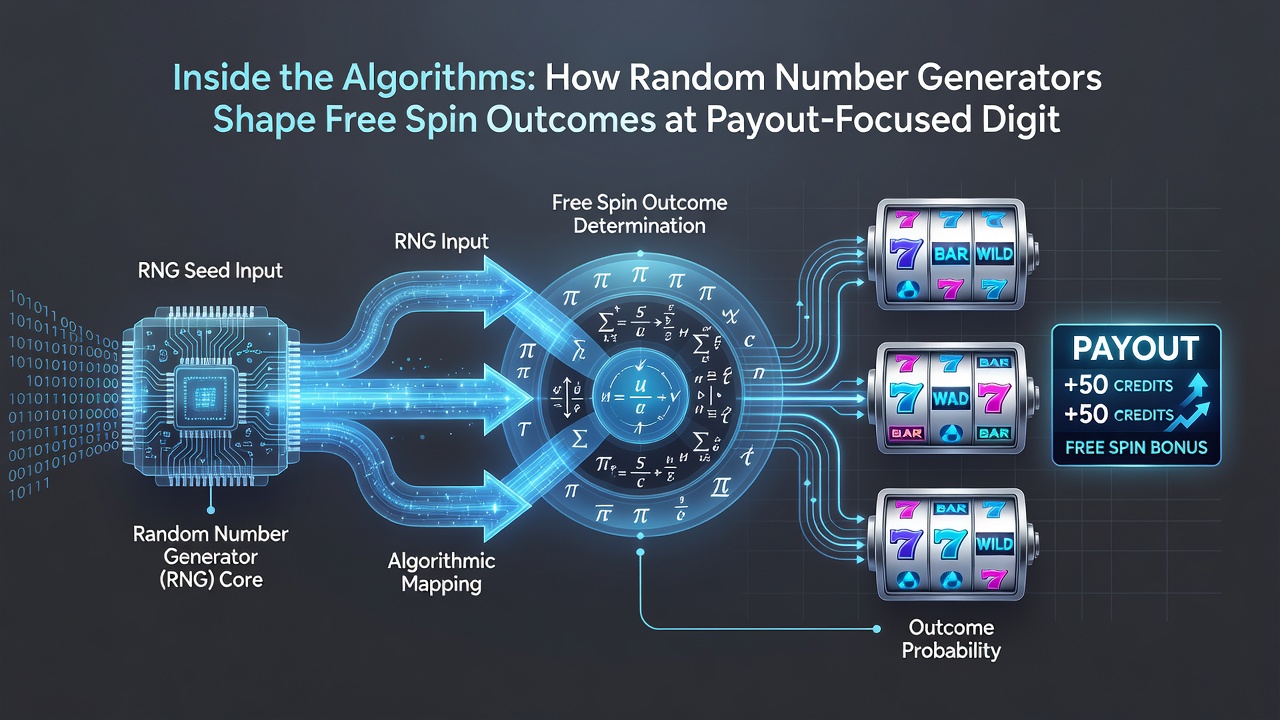
One case study from a major European testing house found that free spin features occasionally triggered clustering patterns when reel mappings placed high-value symbols too close together yet the RNG itself showed no bias. Developers corrected the issue by redistributing symbol weights across the virtual reels without touching the generator code. Such adjustments illustrate how payout outcomes emerge from the interaction between RNG output and game mathematics rather than from any alteration of the random sequence itself.
Player Experience and Outcome Transparency
Players at payout-focused venues receive the same statistical fairness guarantees that apply to base game spins. Regulatory bodies require operators to publish RTP figures calculated over extensive simulation runs that incorporate both regular and free spin modes. Those published percentages reflect long-term averages and individual sessions can deviate significantly because each free spin remains an independent event governed by the RNG.
November 2026 updates to technical standards in several markets now mandate real-time logging of RNG seeds for dispute resolution and these logs allow regulators to reconstruct exact sequences when players question specific free spin results. The process involves mapping the recorded seed through the certified algorithm to verify that the displayed symbols match the generated numbers. No human intervention occurs during this verification and the system completes checks within seconds of a formal request.
Conclusion
Random number generators continue to dictate every free spin outcome at digital venues through unchanging mathematical processes that remain independent of bonus features or player history. Certification requirements across multiple continents ensure uniformity while game designers shape payout profiles by adjusting reel mappings rather than the generator itself. Ongoing technical updates in late 2026 reinforce transparency without altering the fundamental role RNGs play in determining results.